

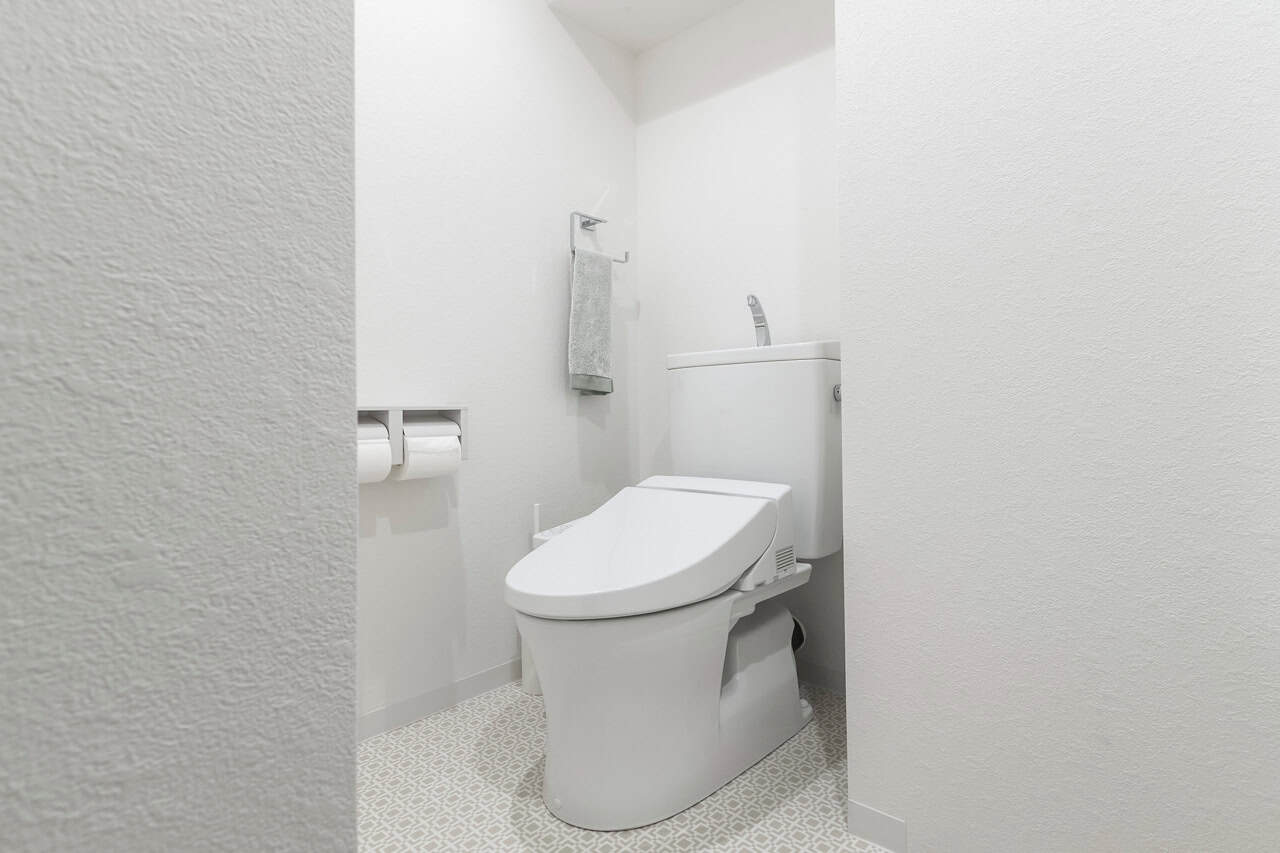
Bidets are the latest craze. Gone are the days of boring, unhygienic toilet paper. Many modern families have already started joining the flow and are encouraging more to do the same. Although originally a European practice, Australians have already begun to realise the true utility of bidets.
Veteran users claim bidets to be significantly better than toilet paper, and for good reasons. However, we should not forget the time when toilet paper was the only way to go. Both bidets and toilet paper have a prominent past. This article focuses on the history of bidets and toilet paper, as well as their potential for the near future.
The history of the bidet
Despite us describing bidets as a recent innovation, in reality, their history stretches back almost a couple of centuries. To completely understand the importance of bidets, knowing their rich history is essential.
There is no written record or firm evidence that credits one particular individual for the invention of the bidet. The most accepted origin story is the one involving the Queen of Sicily and Naples. She once placed a request to have a bidet placed in her personal living quarters at the Royal Palace of Caserta. Bidets have gained mass popularity in Italy ever since.
In fact, the installation of bidets was made mandatory by the Italian government in 1975, due to which approximately 97 percent of Italian bathrooms nowadays feature at least one. Back in the day, bidets were basically what we now call chamber pots. Luckily, there was no royalty associated with bidets back then, which enabled the commoners to use them as well.
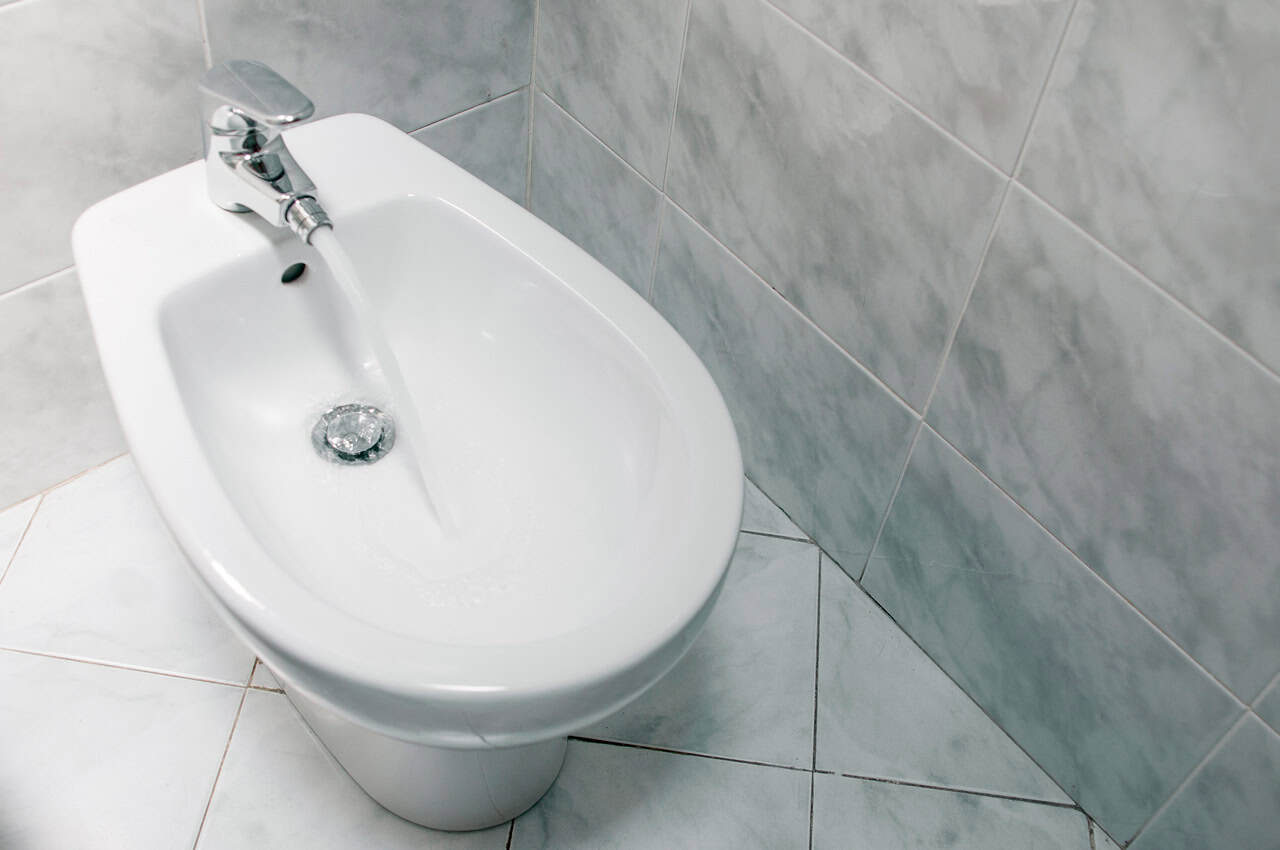
The onset of the 20th century saw the invention of plumbing systems. This brought us a whole new perspective on efficient water usage. Bidets, meanwhile, kept on going stronger than ever before. One of the uncanny uses of bidets back in that era was as a method of contraception!
Finally, in 1928, John Harvey Kellogg invented the nozzle which completed the fundamental evolution of bidets. Nowadays, even picturing a standard bidet without a nozzle seems impossible. Technological advancements saw the Japanese integrate electricity into bidets in the early 1980s. These days, bidets come in all forms of shapes and sizes, with an array of fancy features ranging from heating the seat to remotely controlling the unit. The history of bidets is indeed profound.
The history of toilet paper
The history of toilet paper stretches even further back. Paper itself was invented in the 2nd century BC by the Chinese for the purpose of wrapping. Evidence suggests they used toilet paper as well. It was not until the 6th century CE that toilet paper began to be used by the Chinese masses.
However, these were still early days. Toilet paper back then was not the same as we are used to seeing nowadays. The first real “toilet paper” was created in the year 1391 based on the Chinese Emperor family’s instructions. It was the first time toilet paper was infused with aroma—a trend that has been sustained to this day.
The late 19th century saw the true emergence of toilet paper. The first officially manufactured packages were created by Joseph C. Gayetty in the year 1857. He established a factory in New Jersey, USA, and introduced “Therapeutic Paper”—the first-ever factory-manufactured toilet paper. It was also known as “Gayetty’s Medicated Paper” as the paper was lined with aloe.
It was in 1879 that the first toilet paper rolls were produced. The Scott Paper Company, run by the Scott brothers, took this initiative. They released the Waldorf toilet paper rolls. Perforations began to appear on the toilet paper a little while before that—in 1871 by Zeth Wheeler. Six years later, he began selling them to the public as he had already set up his company Albany Perforated Wrapping Company by then.
The British businessman Walter Alcock assembled the inventions of Scott and Wheeler and created perforated toilet paper rolls. Mass production followed, and the paper started to be sold in heavily marketed boxes and packages. Strangely, the patent for packaging toilet paper went to Oliver Hewlett Hicks in 1885.
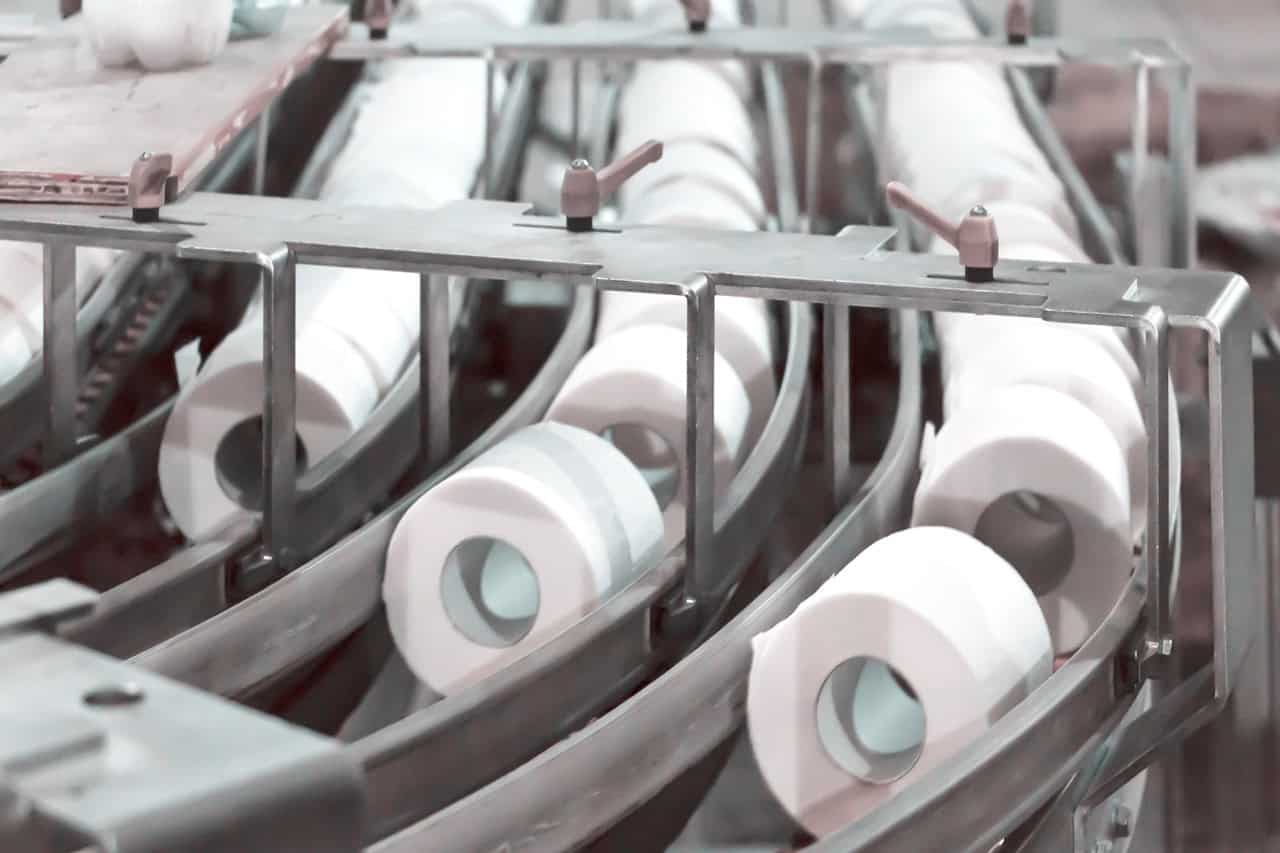
By the turn of the century, the Scott Paper Company—now led by Arthur Scott—became the global market leader in toilet paper production and sales. Despite that, Hans Klenk was the first person to start toilet paper sales in Europe.
All this time, the toilet paper in circulation was not as soft as we are used to seeing nowadays. The change came in 1942, and the English company St. Andrew’s Paper Mill took advantage of it by introducing the first two-ply variants. The splinter-free paper, however, was invented about seven years prior to this.
Nowadays, there is a wide variety of toilet paper types that consumers can choose from. This amazing material has indeed come a long way. Retail outlets sell four-ply and five-ply toilet paper now—something which was unthinkable back in the day. These allow more options to consumers and can be dedicated to particular jobs. Gone are the days of using the same type of paper for multiple purposes.
The future of the bidet and toilet paper
The impact of toilet paper is too profound to go away anytime soon. Make no mistake: It is still the most widely used product for bathroom sanitation in the world. Recent times have seen it only get better and better, as more thought is being put into design and manufacturing. There really has not been any major setback in its development throughout the course of history. It is true that bidets are arguably the biggest competitor to this day. However, it is still being used in many other tasks and not strictly in the bathroom. We believe the future will bring even more advancements in toilet paper manufacturing techniques. More eco-friendly methods may be discovered. Experts may find ways to reduce deforestation for paper production even further. The possibilities are, indeed, endless.
As for bidets, they are relatively new in the scenario. However, their utility is absolutely undeniable as replacing toilet paper is not an easy task. Bidets are full-fledged appliances, unlike toilet paper which is mainly the material (paper) itself. Thus, there are even more ways to develop bidets compared to toilet paper. We have already seen these upgrades over the years. Nowadays, certain smart bidets may even cost upwards of ten thousand dollars—something which was not the case even a decade ago. These expensive appliances do provide services worthy of the price, proving the development of bidets has indeed come a long way. Thus, it is safe to say that bidets are here to stay. With time, they could potentially develop even further. Who is to say that bidets will not have a built-in music player and an LED screen attached ten years down the line? As technology is involved, the sky’s the limit!
Types of bidets
There are a variety of bidet types that you can choose from. In general, there are six basic types based on size, cost, and utility. These include standalone bidet, portable travel bidet, handheld bidet sprayer, add-on bidet attachment, add-on bidet toilet seat, and smart toilet suite with built-in bidet functions. Each has its own use. Check the list below.
- Standalone bidet: These are basins of water where you can submerge your backside and clean it after finishing your “job”. They are independent, self-contained appliances, and are quite common among bidet users.
- Portable travel bidet: As the name suggests, these are portable devices that usually come as small bottles with a nozzle attached. Water is sprayed through the nozzle, and as the device is handheld, aiming can be done manually. Travel bidets come in both electric and non-electric variants.
- Handheld bidet sprayer: These are similar to travel bidets, with the exception being portability. They are attached to the plumbing lines in your bathroom. These appliances resemble kitchen faucet sprayers but clean very different things.
- Add-on bidet attachment: These bidets are attached beneath the toilet seat and have a nozzle to spray the water. They are not electric appliances, but can still provide warm water if manually filled.
- Add-on bidet toilet seat: These are full-fledged seats that are installed in place of the existing toilet seat. The set-up is similar to bidet attachments but with more functionalities, as they come in electric formats along with non-electric versions. They usually have air drying and seat warming attributes, making them some of the most technologically advanced bidets out there.
- Smart toilet suite with built-in bidet: These are definitely the best of the lot. Smart toilet suites are single appliances that perform the functions of both a toilet and a bidet. Both are synced so the users generally do not have to do much apart from enjoying the experience.
The benefits of using a bidet are profound. Some of the biggest advantages include ensuring better hygiene, limiting the spread of germs, decreasing the chance of getting haemorrhoids, enhancing your bathroom experience, reducing the cost of plumbing repairs (especially in Australia with all the laws in effect), and a few more. To get a comprehensive idea of the bidet types, their uses, the benefits, click here.
Are bidets illegal in Australia?
Contrary to popular belief, bidets are indeed legal in Australia. There is a catch, however. It is illegal to attempt plumbing work if you do not have a license, as per the guidelines issued by the Australian Competition and Consumer Commission (ACCC). Thus, Australians need to hire a professional plumber if they want a bidet installed in their bathrooms. In fact, residents nowadays are using bidets more than they ever were—mainly because of the toilet paper shortage caused by the advent of the pandemic.
The Australian government wants to ensure safety before anything else. DIY attempts at installing plumbing fixtures can get dangerous if the right methods are not used. Accidents may happen, causing irreparable damage. Hence the strict nature of the law. For a better understanding of the Australian viewpoint regarding bidets and other frequently asked questions, click here.

Pros and cons
Nowadays, bidets come with a lot of functionalities. Thus, it is nothing out of the ordinary for them to have certain features that some people would not like. Others may simply find it too much of a change from the toilet paper norm. Let us take a look at some of the key pros and cons of bidets.
Pros:
- Deforestation is reduced. The rate at which trees are being cut down for the purpose of making paper is alarming. Bidets solve this issue brilliantly.
- Hygiene is improved. Users have claimed that they get a fresh feeling every time they use a bidet.
- The chance of getting haemorrhoids is reduced, as bidets do not scrape on sensitive skin, unlike toilet paper.
- Toilet clogs are prevented, as toilet paper is not thrown into the commode anymore.
- Bidets usually come with warranties, regardless of brand and utility.
Cons:
- The initial purchase and setup of bidets are significantly more expensive than toilet paper.
- Standalone bidets cover a lot of space in the bathroom, which is a problem, as this reduces the movable space inside.
- Bidets can wet your attire if not used with caution.
- Continuous wrong use of the nozzle can cause infections in females.
- Some find the bidet’s learning curve to be unusually steep.
The bigger picture
There is a world of difference between bidets and toilet paper. The fact that bidets are full-fledged appliances makes them superior to mere paper when it comes to dealing with something as important as cleaning up after passing faeces. Long-term users generally speak in glowing terms about bidets. The benefits are indeed worthwhile. We believe this article has been able to prove the profound utility of bidets in comparison with toilet paper.


